Support Hub
Whether you’re a new customer or just need a quick answer, you’ll find everything you need right here.
Order Information
Can I amend my order after I've placed it?
If your order hasn’t been processed yet, we may be able to make changes. Please contact us as soon as possible and we’ll do our best to accommodate your request.
Can I cancel an order?
Yes, you can cancel your order if it hasn’t been processed or dispatched. Please get in touch with us right away to request cancellation.
What do I do if I've received a faulty item?
Please contact our support team immediately. We’ll arrange a replacement or refund, and collect the faulty item if necessary.
I've received an incorrect item in my order, what do I do?
Let us know as soon as possible and we’ll arrange for the correct item to be delivered. We’ll also organise the return of the incorrect item.
There's an item missing from my order, what do I do?
Double-check your delivery note first. If something is missing, contact us and we’ll sort it out quickly.
Delivery Information
How much does delivery cost?
Delivery charges depend on your location and order size. In many areas we offer free delivery on certain products or minimum order values. Contact us to confirm charges for your area.
Who will deliver my order?
Orders are delivered by our trusted in-house delivery team or approved local partners, depending on your location.
Can I pay by card on delivery?
Most deliveries are prepaid online, but some drivers may be equipped for contactless card payments. Please confirm at the time of order.
How Soon Can I Expect My Gas Delivery?
We aim to deliver your gas bottle(s) as quickly as possible. Most orders are delivered within 2–3 working days, depending on your location and stock availability. You’ll receive a confirmation email with tracking details once your order is dispatched.
How will I know when to expect my delivery?
We’ll send you a dispatch confirmation with tracking details or an estimated delivery window. Our team may also contact you directly on the day.
Can I leave delivery instructions for the driver?
Yes! You can leave delivery notes during checkout. If specific access instructions are needed, let us know in advance.
Are there any delivery restrictions?
Some areas may have access limitations or require timed deliveries. If you’re unsure, please get in touch so we can make arrangements.
Returns & Exchanges
Can I return an item?
Yes, unused and unopened items may be returned within a 14 day period. Contact us to arrange the return and confirm eligibility.
How do I return a gas bottle?
We offer a convenient cylinder collection service. Just get in touch to arrange a pickup, or drop the bottle at one of our approved return locations
Can I exchange my gas bottle for a different size?
Yes, you can exchange your gas bottle for a different size, but if the new bottle is in a different category (e.g. switching from a patio gas bottle to a standard propane bottle), you’ll need to take out a new Cylinder Refill Agreement (CRA).
If you’re unsure, feel free to contact us for advice.
How do I claim a refund on a Cylinder Refill Agreement (CRA)?
If returning a bottle covered by a CRA, you may be eligible for a partial refund. Contact us with your original documentation for more information.
Product Support & Safety
What type of gas do I need for my appliance?
It depends on the appliance and environment. Patio gas is great for BBQs and heaters, butane for portable indoor heaters, and propane for outdoor or commercial use. Contact us for personalised advice.
What’s the difference between propane, butane and patio gas?
-
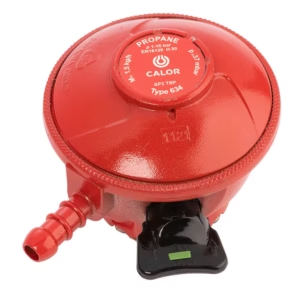
Propane: Red bottles, best for outdoor and cold-weather use.
-
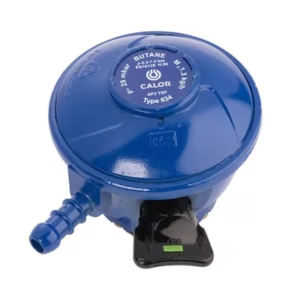
Butane: Blue bottles, better indoors or in milder climates.
-
Patio Gas: Green bottles, propane for outdoor leisure appliances.
What should I do with an unused or old gas bottle?
Contact us to arrange collection. We’ll ensure it’s safely returned, reused, or recycled.
Do you collect cylinders from residential and commercial sites?
Yes, we collect from homes, businesses, building sites, and public areas (e.g. fly-tipping sites). Get in touch to book a collection.
Can I use butane gas indoors?
Yes, but only with approved appliances like mobile heaters. Never use bottled gas in basements or high-rise buildings above the third floor.
How do I store gas bottles safely?
Keep them upright, well-ventilated, and away from direct heat or ignition sources. Forklift gas bottles may be stored horizontally with the correct fitting.
How to Safely Connect and Disconnect Patio Gas Bottles?
Before You Connect
– Patio gas bottles use a 27mm valve, so check you have a 27mm clip-on regulator.
– These bottles don’t have protective caps, so ensure the valve top is clean.
– Never disconnect the regulator while the switch is in the ‘on’ position.
Connecting
1. Start with the regulator switch in the ‘off’ position.
2. Place the regulator onto the valve and press down firmly until you hear a click—this means it’s securely attached.
3. To turn the gas on, rotate the switch a quarter turn anticlockwise to the ‘on’ position.
4. After use, always turn the switch clockwise back to ‘off’
Disconnecting
1. Turn the regulator switch clockwise to ‘off’.
2. If the flame doesn’t go out, do not disconnect—leave the appliance running and contact emergency services immediately.
3. Once off, press the lower ‘push’ button and lift the regulator away.
4. If using butane, replace the safety cap on the empty bottle.
How to Safely Connect and Disconnect Propane Gas Bottles?
Before you start, you should always check:
– Check your bullnose connection is clean and undamaged
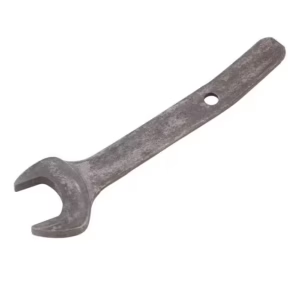
– Make sure you have the correct sized spanner
Connecting
1. Turn the valve hand wheel off by rotating it clockwise.
2. Remove the protective plug from the valve outlet by unscrewing it.
3. Inspect the regulator’s bullnose connection for any signs of damage.
4. Attach the hose to the gas bottle by screwing it in anti-clockwise.
5. Tighten the connection securely using a suitable spanner.
6. To start using the gas, turn the valve hand wheel anti-clockwise to open it.
Disconnecting
1. Turn off the valve hand wheel (clockwise).
2. If you have a gas tap fitted to your appliance (and it’s not part of a multi-bottle setup with a changeover valve), turn that off too.
3. Wait for the burner and pilot lights to go out. If the flame stays on, do not disconnect—leave the appliance running and call the Calor emergency line on 03457 444 999.
4. For systems with a changeover valve, simply turn off the empty bottle.
5. Never disconnect the regulator or nut with the valve open.
6. Use a spanner to unscrew the regulator by turning it anti-clockwise.
7. Replace the protective plug into the valve outlet.
How to Safely Connect and Disconnect Butane Gas Bottles?
Instructions for 4.5kg Butane Gas Bottle
Before connecting:
– A 4.5kg butane gas bottle requires a regulator that screws onto the valve outlet. This regulator includes a black sealing washer that ensures a gas-tight connection when securely tightened.
Connecting
1. Make sure the valve handwheel is turned off (clockwise).
2. Remove the protective plug from the valve outlet.
3. Inspect the black sealing washer inside the regulator for any signs of damage—replace it if needed.
4.Attach the connecting nut to the bottle using a suitable spanner. Tighten firmly by turning it anticlockwise, but avoid over-tightening to prevent damage to the washer.
5. When you’re ready to use the gas, turn the valve handwheel anti-clockwise to open.
Disconnecting
1. Never disconnect the regulator or connecting nut while the valve is open.
2. Turn the valve handwheel off (clockwise) and wait until all burners and pilot lights are fully extinguished. If the flame remains on, leave the appliance alight and immediately contact emergency services.
3. Use a suitable spanner to disconnect the regulator, then screw the protective black cap back onto the valve outlet.
Instruction for 7kg or 15kg Butane Gas Bottle
Before connecting:
– A 21mm regulator is required for both 7kg and 15kg butane gas bottles.
– Never disconnect the regulator while the switch is in the ‘on’ position—this is a safety hazard.
Connecting
1. Ensure the regulator switch is in the ‘off’ position.
2. Position the regulator over the valve and press down firmly until you hear a click—this confirms it’s securely attached.
3. To turn on the gas, rotate the switch a quarter turn anticlockwise to the ‘on’ position.
4. After use, always turn the switch clockwise back to the ‘off’ position.
Disconnecting
1. Turn the regulator switch clockwise to ‘off’.
2. If the flame remains lit, do not disconnect—leave the appliance on and contact emergency seervices.
3. Press the ‘push’ button on the lower part of the regulator and lift it off the valve.
4. If you’re using a butane bottle, be sure to replace the safety cap on the empty valve.
Gas Bottle Safety for Barbecues
Barbecuing with gas is a fast, convenient way to cook outdoors — but it’s important to follow a few safety steps to ensure everything runs smoothly.
-
Always check your gas bottle, hose and regulator for damage or leaks before use.
-
Test for leaks by brushing soapy water on the connection points and watching for bubbles.
-
Ensure the BBQ is on a flat surface and away from flammable materials.
-
Keep children and pets at a safe distance while cooking.
-
When finished, turn off the gas at the bottle first, then turn off the BBQ controls.
Connecting Your Gas Bottle to the BBQ
-
Always connect your gas bottle outdoors in a well-ventilated space.
-
Make sure the regulator switch is in the ‘off’ position before connecting.
-
Align the regulator with the gas bottle valve and press down firmly until you hear a ‘click’ — this sound confirms it’s securely connected.
-
Turn the gas on by rotating the switch a quarter turn anticlockwise to the ‘on’ position.
Disconnecting Your Gas Bottle
-
First, ensure the BBQ is completely switched off and all flames are extinguished.
-
Turn the regulator switch clockwise to the ‘off’ position.
-
If the burner flame stays on, immediately call the Calor Gas emergency line on 03457 444 999.
-
Once the flame is out, press the ‘push’ button on the regulator and lift it off the valve.
-
If you’re using a butane bottle, don’t forget to replace the safety cap on the valve.
Storing Your BBQ Gas Bottle Safely
-
Always store your gas bottle outside, in a cool, well-ventilated area.
-
Keep it away from heat sources such as BBQs, open flames, or appliances.
-
Avoid placing the bottle in direct sunlight or enclosed spaces like sheds or garages.
By following these steps, you’ll ensure safe and reliable use of your gas bottle all summer long. If you’re unsure about connecting or storing your gas safely, our team is always happy to help.
Portable Gas Heater Safety
Portable gas heaters are a practical and efficient way to heat your home or workspace during colder months. However, as with all gas appliances, it’s important to use them safely and responsibly. Here are some essential guidelines to help keep you and your property safe:
General Safety Tips
-
Always switch off your heater before leaving your property or going to bed.
-
Ensure the regulator, hose, and connectors are in good condition and properly fitted.
-
Never use aerosols or flammable cleaning products near the heater.
-
Avoid sitting or standing too close to the heater to prevent burns or accidents.
-
Use the heater only in well-ventilated areas — open a window if the room becomes stuffy to allow fresh air to circulate.
-
Follow the manufacturer’s instructions carefully at all times.
-
Position the heater away from curtains, furniture, or any flammable materials, and ensure it’s not blocking any escape routes.
-
Never drape clothing or towels over the heater to dry.
-
Do not move the heater while it’s on or still hot.
Ongoing Maintenance & Checks
We’re here to help you use and maintain your portable heater safely and effectively.
Regular maintenance is key. All portable gas heaters should be checked and serviced periodically by a qualified technician to ensure they remain in good working condition and comply with current safety regulations.
In particular:
-
The regulator should be replaced every 10 years to maintain proper performance.
-
The hose should be inspected regularly for any signs of wear, cracking or damage.
-
Even if no damage is visible, the hose must be replaced at least every 5 years. If you notice any faults earlier, it should be replaced immediately.
If you’re ever unsure about the condition or setup of your heater, don’t take chances — speak to our friendly team for guidance or to arrange a check.
Portable Gas Heater Safety
Portable gas heaters are a practical and efficient way to heat your home or workspace during colder months. However, as with all gas appliances, it’s important to use them safely and responsibly. Here are some essential guidelines to help keep you and your property safe:
General Safety Tips
-
Always switch off your heater before leaving your property or going to bed.
-
Ensure the regulator, hose, and connectors are in good condition and properly fitted.
-
Never use aerosols or flammable cleaning products near the heater.
-
Avoid sitting or standing too close to the heater to prevent burns or accidents.
-
Use the heater only in well-ventilated areas — open a window if the room becomes stuffy to allow fresh air to circulate.
-
Follow the manufacturer’s instructions carefully at all times.
-
Position the heater away from curtains, furniture, or any flammable materials, and ensure it’s not blocking any escape routes.
-
Never drape clothing or towels over the heater to dry.
-
Do not move the heater while it’s on or still hot.
Ongoing Maintenance & Checks
We’re here to help you use and maintain your portable heater safely and effectively.
Regular maintenance is key. All portable gas heaters should be checked and serviced periodically by a qualified technician to ensure they remain in good working condition and comply with current safety regulations.
In particular:
-
The regulator should be replaced every 10 years to maintain proper performance.
-
The hose should be inspected regularly for any signs of wear, cracking or damage.
-
Even if no damage is visible, the hose must be replaced at least every 5 years. If you notice any faults earlier, it should be replaced immediately.
If you’re ever unsure about the condition or setup of your heater, don’t take chances — speak to our friendly team for guidance or to arrange a check.
What is a Cylinder Refill Agreement (CRA)?
A CRA is a one-time fee you pay when you purchase a new bottle. It covers the use of the bottle itself, which remains our property. When you return the bottle, you may be eligible for a partial refund of the CRA.
How much does a Cylinder Refill Agreement (CRA) cost?
CRA pricing varies depending on the bottle type. Typically, it ranges from £30 to £50. This one-time fee covers the use of the bottle for its lifetime. You only pay for the gas when exchanging bottles.
Choosing the Right Gas Cylinder
What Can I Use The 5kg Patio Gas Cylinder For?
The 5kg Patio Gas cylinder is lightweight, easy to carry, and simple to store. It’s ideal for small to medium BBQs with up to 3 burners, and also works well with table-top patio heaters and pizza ovens — providing enough gas for around 14 BBQ sessions.
What Can I Use The 13kg Patio Gas Cylinder For?
The 13kg Patio Gas cylinder is ideal for large BBQs with 4 burners or more, floor-standing patio heaters, and pizza ovens. It provides reliable fuel for extended outdoor use.
What Can I Use The 3.9kg Propane Cylinder For?
The 3.9kg Propane cylinder is ideal for hobby use, small campervans, caravans, narrowboats, and trade applications like plumbing or roofing — perfect where space is limited.
What Can I Use The 6kg Propane Cylinder For?
The 6kg Propane cylinder is portable and perfect for outdoor use with caravans, camping stoves, and small gas appliances. It delivers consistent gas pressure, even in cold weather.
What Can I Use The 13kg Propane Cylinder For?
The 13kg Propane cylinder is commonly used for commercial applications like mobile catering, generators, roofing, and road marking. It’s a compact yet powerful choice for professional use.
What Can I Use The 19kg Propane Cylinder For?
The 19kg Propane cylinder is ideal for commercial and industrial appliances, and is a popular choice for mobile catering vans and portable gas equipment.
What Can I Use The 47kg Propane Cylinder For?
The 47kg Propane cylinder is ideal for homes and businesses where a bulk tank isn’t suitable. It’s commonly used for heating, cooking, and running large commercial appliances.
What Can I Use The 4.5kg Butane Cylinder For?
The 4.5kg Butane cylinder is great for outdoor adventures and is typically used to fuel portable camping stoves.
What Can I Use The 7kg Butane Cylinder For?
The 7kg Butane cylinder is suitable for smaller indoor mobile heaters and is also used for compact camping cookers during warmer months. For colder weather, consider the 6kg Propane or 5kg Patio Gas as alternatives.
What Can I Use The 15kg Butane Cylinder For?
The 15kg Butane cylinder is our most popular option for providing instant heat to indoor mobile heaters.
Need Assistance? We’re Here to Help
If you're unsure about anything related to gases, don’t hesitate to get in touch—our friendly team is always happy to offer expert advice. At Beales Market Gases Ltd, we know it can be tricky figuring out exactly which gas you need—that’s where we come in.
Find the right gas for you
Leave us a Message
Have questions or need help? Leave us a message and a member of our team will get back to you as soon as possible.
Reach out anytime – we’re just a call away 020 8539 8882